Home Blog Page 2

Moving Critical Business Systems Without Rebuilding Existing Operational Workflows

0

Organizations that continue running IBM i environments often do so because critical business operations depend on applications that have been in place for many years. These systems may support inventory management, financial processing, order fulfillment, production activities, customer records, and reporting functions. Replacing them is rarely a simple project. For many businesses, moving toward an as400 cloud environment becomes a way to modernize infrastructure while keeping established workflows intact.

Infrastructure Challenges That Develop Over Time

Technology environments rarely remain unchanged for decades. Hardware eventually reaches support milestones. Storage requirements increase. Backup demands grow. Security expectations evolve. Regulatory requirements may also change.

Organizations frequently encounter challenges such as:

  • Aging server hardware
  • Increasing maintenance requirements
  • Limited disaster recovery capabilities
  • Capacity constraints
  • Rising infrastructure management workloads
  • Difficulty sourcing specialized technical skills

These factors often trigger discussions about alternative deployment models. The goal is usually not immediate transformation. It is maintaining operational stability while addressing infrastructure concerns.

Reviewing Existing Workloads Before Making Changes

A common step in modernization planning involves understanding exactly what is running inside the environment.

This review often includes:

  • Business applications
  • Databases
  • Scheduled jobs
  • Reporting systems
  • User access requirements
  • External integrations

Organizations are sometimes surprised by the number of processes connected to a single system.

An application that appears isolated may support accounting functions, inventory updates, customer records, and reporting activities simultaneously. That level of dependency makes planning especially important.

Common Operational Functions Supported By IBM i Systems

Different industries use IBM i environments in different ways, but several workload categories appear regularly.

Function Area Typical Purpose
Financial Processing Accounting and transaction management
Inventory Control Product tracking and stock management
Order Management Processing and fulfillment activities
Manufacturing Support Production planning and monitoring
Customer Information Data storage and record management
Reporting Systems Operational and management reporting

Understanding these functions helps organizations identify which workloads require the highest levels of availability and performance.

How Cloud Infrastructure Changes Hardware Management

Traditional infrastructure requires ongoing attention to physical systems. Servers need maintenance. Components require replacement. Capacity planning often involves purchasing hardware in advance of future growth.

Cloud based environments change this model. Instead of focusing on physical infrastructure ownership, organizations can focus on workload requirements.

Areas that often become simpler include:

  • Hardware lifecycle management
  • Equipment replacement planning
  • Data center space requirements
  • Infrastructure maintenance scheduling
  • Physical system monitoring

The applications continue supporting business operations while infrastructure responsibilities shift toward a hosted model.

This approach is one reason many organizations evaluate cloud deployment options when planning long term infrastructure strategies.

Capacity Planning And Resource Allocation

Infrastructure requirements vary considerably between organizations. Some environments support large transaction volumes. Others maintain extensive historical databases. Certain workloads place greater demands on processing resources, while others require significant storage capacity.

Important planning considerations include:

These factors influence resource allocation decisions within hosted environments.

An as400 cloud strategy is frequently considered when organizations want to preserve established business applications while adopting a more flexible infrastructure model. Rather than rebuilding operational workflows from the ground up, the focus remains on maintaining continuity, supporting future growth, and creating an environment capable of adapting to changing business requirements over time.


Understanding Modern Tools That Help Preserve Shared Video Content

0

Short video platforms move quickly. One moment a useful tutorial appears on screen, and a few minutes later it can be buried beneath hundreds of new uploads. That fast pace is one reason many people look for a tiktok video downloader when they come across content they want to revisit later.

Interestingly, downloading is not always about entertainment. For some users it becomes part of a learning routine. Others save clips as creative references, reminders, or examples they may need again. The reasons vary, sometimes quite a bit.

How Download Technology Supports Everyday Viewing

People consume content differently today than they did a few years ago.

A person might watch videos while waiting for an appointment. Someone else may scroll during a train ride. Because viewing often happens in small pockets of time, not every clip receives full attention immediately.

That creates a simple problem.

Useful content appears when people are busy.

Saving it for later becomes a practical solution rather than an extra feature.

And the habit seems to be growing alongside the amount of content being shared every day.

Behind The Process Of Saving Online Clips

Many users never think about what happens in the background when a video is downloaded.

They usually focus on the result rather than the process itself.

The general workflow is straightforward. A video link is provided, the content is processed, and a downloadable version becomes available. From the user’s perspective, the goal is simply obtaining a copy that can be viewed later.

What makes the experience successful is not complexity.

It is often the opposite.

The fewer obstacles people encounter, the more useful the process feels.

Exploring Practical Functions In Daily Use

Downloaded videos often serve practical purposes beyond simple viewing.

Usage Situation How Saved Videos Help
Learning new skills Allows repeated review
Creative projects Provides visual references
Travel planning Keeps ideas available offline
Hobby research Makes information easier to revisit
Personal organization Stores useful content in one place

What stands out is how ordinary these situations are.

Most downloads happen because someone expects future value from the content.

Not because they need it immediately.

Expectations People Commonly Have Today

When someone searches for a tiktok video downloader, they are usually looking for reliability, accessibility, and a process that fits naturally into their daily routine. The technology behind downloading may continue to evolve, but the core expectation remains remarkably steady. People want a simple way to keep useful content available whenever they decide it is worth revisiting.

Helping Communities Grow Stronger Through Everyday Acts of Shared Kindness

0

People usually remember kindness when it appears unexpectedly. Not the big public moments, not the loud campaigns, just simple things done quietly without expecting attention back. A warm meal during a stressful week, somebody covering food for another person, or even a small act that removes pressure for a day can stay in someone’s mind for years without anyone realizing it. Lately, conversations connected to pay it forward malaysia have started showing up more often because many people are trying to bring back that feeling of direct human support in a world where everything already feels rushed and distant.

A Simple Meal Can Change Someone’s Entire Mood

That is probably why community driven platforms built around meal sharing feel easier for people to connect with. The support feels real. Nothing overly formal. No complicated process sitting in the middle of it. Some people join because they once needed help themselves. Others simply want to do something useful without making it look performative online. A small gesture still matters.

Digital Spaces Feel Different When They Carry Warmth

Not every platform on the internet needs to revolve around selling something or chasing attention. Some spaces work better when they create connection instead of noise.

Meal support systems have slowly grown because the process feels direct. A person shares support, another person receives it, and there is visible proof that something positive actually happened.

A few things people usually appreciate:

  • Simple steps
  • Clear support tracking
  • No confusing process
  • Faster participation
  • Friendly interaction

People Trust Real Experiences More Than Advertisements

Perfect campaigns rarely build long term trust anymore. Real stories do. Someone explaining how a shared meal helped during a difficult week sounds far more genuine than polished promotional language.

That human side changes how communities grow. One person talks about receiving support, another decides to contribute later, and slowly a chain of participation starts building naturally without needing aggressive promotion.

The interesting part is how small actions keep multiplying quietly. One helpful moment often encourages another.

Around the middle of these conversations, the idea behind pay it forward meaning becomes easier to notice because it stops feeling theoretical. It becomes practical. Immediate. Human.

Quiet Community Movements Often Last Longer

Large campaigns sometimes disappear as quickly as they appear. Smaller community efforts usually grow slower, but they feel more grounded because they are built through repeated participation instead of sudden attention.

One person helps today. Another contributes next week. Someone who once received support may later return to help another person. That cycle keeps moving quietly in the background.

There is no need for dramatic messaging around it. People simply respond better when kindness feels natural rather than heavily packaged.

Communities built this way often develop stronger trust over time because participation feels personal.

Kindness Still Travels Faster Than People Think

A single good experience spreads quickly between people. Somebody talks about receiving help, another person becomes curious, and eventually more individuals join because the environment feels welcoming instead of transactional. That warmth matters more than technical features sometimes.

Even with digital systems handling the process, people still remember emotional details first. A kind interaction. A respectful response. A moment where support arrived at the right time without embarrassment attached to it.

Medical Clean Room Assembly for Sterile and Accurate Production

0

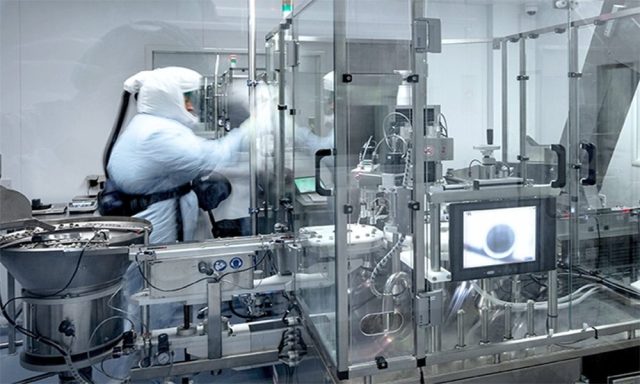
Medical clean room assembly brings together trained personnel, controlled environments, and validated processes to build devices that must meet strict contamination and dimensional standards before they reach a patient. The assembly stage is where individually validated components become a functional device, and where contamination risks are highest: handling, joining, testing, and packaging all involve human contact with parts that must leave the facility sterile and free of particulate contamination. Getting this stage right requires more than a clean room certificate on the wall.

What Clean Room Assembly Involves

Assembly operations performed in a classified clean room environment include sub-assembly of components, adhesive bonding, ultrasonic welding, mechanical fastening, leak testing, functional testing, labelling, and primary packaging. Each step introduces a contamination opportunity, and each must be performed in sequence under conditions that maintain the classification of the environment.

The clean room classification governs the maximum allowable particle count per cubic metre of air. ISO Class 7 permits no more than 352,000 particles of 0.5 microns or larger per cubic metre. ISO Class 8 permits 3,520,000 particles at the same size. For assembly of sterile devices that will be filled with an injectable or will contact sterile body tissue, Class 7 or Class 5 environments are the standard. For non-sterile device assembly, Class 8 is typical.

Personnel as the Primary Contamination Source

In a classified assembly environment, personnel generate the largest share of contamination. Every person sheds skin cells, hair, and textile fibres continuously. Talking, sneezing, and sudden movement all spike the local particle count. The gowning protocol, which typically includes a full clean room suit, hood, gloves, shoe covers, and face mask, forms a barrier between the person and the environment, but it does not eliminate the risk. It reduces it to manageable levels.

Medical clean room assembly personnel train to understand which movements generate particles, how to handle components without touching critical surfaces, and how to maintain posture and pace inside the room to avoid disrupting airflow patterns. New assemblers begin with observation periods and limited tasks before they progress to full assembly responsibility.

Process Validation

ISO 13485 requires that processes where output cannot be fully verified by inspection must be validated. Assembly steps where bond integrity, seal quality, or connector engagement cannot be confirmed visually fall into this category. For each such step, the validation study demonstrates that the process consistently produces the required outcome across the range of operator and material variation expected in production.

“In healthcare, the highest form of quality assurance is preventing the problem before it reaches the patient,” Minister for Health Ong Ye Kung has stated in discussions on Singapore’s healthcare standards. Process validation in medical assembly is the operational expression of that principle: building the evidence that the process is right before a single production unit ships.

Validation records for clean room assembly cover the equipment, the materials, the operators, the procedure, and the environment. They remain part of the device master record throughout the product’s commercial life.

White Room Versus Clean Room Assembly

Not every medical device assembly requires a classified clean room. White rooms, which implement contamination controls through air filtration, gowning requirements, and material handling procedures without formal particle count classification and continuous monitoring, suit devices with lower contamination sensitivity.

Medical clean room assembly under formal ISO classification is specified by device type, intended use, and the regulatory pathway. Sterile devices, implantable devices, and those contacting sterile body cavities require the controlled and monitored environment that a classified clean room provides. Devices with a lower contamination sensitivity, such as Class I external contact devices, may be assembled in a white room environment with appropriate controls.

The decision between white room and clean room assembly belongs in the device risk management file. Justify it with the hazard analysis for your device, not with the cost comparison between the two environments.

In-Process Inspection

Assembly in a clean room does not change the need for inspection at key stages of the build sequence. Visual inspection under controlled lighting, dimensional verification with calibrated instruments, and functional testing of sub-assemblies all occur within the classified environment. Removing a partially assembled device from the clean room for inspection and returning it introduces contamination and requalification requirements that slow production more than in-room inspection does.

Inspection stations within the assembly clean room are validated as part of the overall area qualification. The lighting level, the inspection procedure, and the accept/reject criteria are documented and form part of the device manufacturing record for each production batch.

Packaging Within the Clean Room

For devices that will be terminally sterilised after packaging, primary packaging is completed inside the clean room before the device leaves the controlled environment. The packaging validation confirms that the seal integrity and packaging configuration maintain sterility through the sterilisation process and across the device’s stated shelf life.

Sterile device assembly and primary packaging performed in the same classified environment shortens the handling chain and reduces the number of environmental transitions that introduce contamination risk between the last assembly step and the sealed package.

Medical clean room assembly, when validated and managed to the standard the device classification demands, produces devices that meet their safety and performance specifications from the first unit to the last in every production batch.

Email Server Hardening Against Modern External Attackers

0

Email remains the most common entry point for serious intrusions. The reasons are unchanged. Email is ubiquitous, the protocols are old, users will reliably interact with messages from strangers and the attackers have decades of operational practice. Hardening an email environment against modern threats means securing the servers themselves, the authentication mechanisms around them and the message flows that pass through them. Each of these layers needs attention.

Authentication Is The Foundation

SPF, DKIM and DMARC together provide the means to authenticate the origin of email. Each of them is widely supported, well documented and frequently misconfigured. SPF policies that end in softfail rather than hardfail, DKIM keys that have not rotated since the domain was registered and DMARC policies stuck in monitoring mode for years all create gaps that spoofing campaigns exploit. A focused external network pen testing engagement should validate the deployment of each of these protocols and flag the gaps.

Legacy Protocols Need To Go

IMAP and SMTP basic authentication remain in use long after better alternatives became available, frequently to support a single application that nobody has the budget to update. These legacy protocols bypass conditional access in cloud platforms and provide a clean route for credential stuffing attacks. Disable them tenant wide and migrate the holdouts to modern authentication on a deliberate schedule.

Expert Commentary

William Fieldhouse, Director of Aardwolf Security Ltd

The most consistent finding across email environments I assess is that the SPF, DKIM and DMARC configurations look good on paper and fail open in practice. The records exist. They are technically correct. They permit so many sources that the policy is effectively meaningless. Tighten the records until receiving servers actually reject mail that does not come from your sanctioned infrastructure.

TLS Configuration Deserves A Periodic Review

Email server TLS configuration ages badly. Cipher suites that were strong five years ago are weak today. Certificates expire. Forward secrecy was not always required. Run a periodic review of the TLS posture on every mail server you operate, using freely available external scanning tools where appropriate. The configuration that ships from the vendor is rarely the configuration you want in production today. Worth keeping the mail server configuration under change control alongside the rest of the security infrastructure. Configuration drift in email is one of the more reliable ways to weaken the security posture quietly over time.

Inbox Rules And Compromised Account Cleanup

A compromised mailbox does not necessarily mean lost data. The follow-on attack often involves inbox rules that auto forward messages, delete responses from the legitimate user or move financial conversations to obscure folders. Detecting unusual inbox rules across your tenant is cheap and effective. Pair this with a regular best pen testing company that includes the email surface explicitly. Email is too central to the business to be left out of routine testing.

Email security is a discipline rather than a project. Every gain decays over time without active maintenance. Email security ages quickly. The configuration that worked two years ago is rarely adequate today. Worth the regular review. Network security has changed considerably over the last decade and the principles that survived the change tend to be the ones worth investing in. The fundamentals remain valuable even as the implementation details evolve around them.

Recycle Electronics: Step-by-Step Guide for Responsible Disposal

0

The decision to recycle electronics properly is only half the battle; understanding how to do it correctly completes the mission. Across Singapore, thousands of electronic devices reach the end of their useful lives each day, and the manner in which we dispose of them carries consequences that extend far beyond our immediate neighbourhoods. This guide provides a systematic approach to electronic waste disposal, drawing on established practices and regulatory frameworks that govern how we manage our technological detritus.

Understanding What Qualifies as E-Waste

Electronic waste encompasses more than just computers and mobile phones. The National Environment Agency defines e-waste as any household or office equipment with a plug, battery, or power cord that no longer serves its intended purpose. This broad categorisation includes items many residents might not immediately recognise as electronic waste.

The scope of recyclable electronics includes:

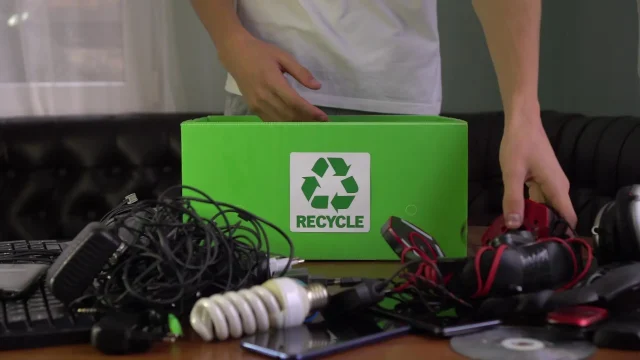
  • Desktop computers, laptops, and tablets
  • Mobile phones and telecommunications equipment
  • Televisions and display monitors
  • Printers, scanners, and office equipment
  • Kitchen appliances with electronic components
  • Power tools and garden equipment
  • Gaming consoles and entertainment systems
  • Small electronics such as calculators and remote controls

Preparing Your Electronics for Disposal

Before you can responsibly recycle electronic waste, proper preparation is essential. This stage protects your personal information and ensures safe handling by recycling facilities.

Data Security Measures

Begin with data removal. Factory resets alone do not suffice for devices containing sensitive information. For computers and mobile devices, use data-wiping software that overwrites information multiple times, rendering it unrecoverable. Remove and physically destroy SIM cards and memory cards. For hard drives in computers, consider professional data destruction services or physical destruction if the data is particularly sensitive.

Physical Preparation

Remove batteries from devices where possible. Batteries contain different materials than the main device and require separate processing streams. Lithium-ion batteries, in particular, pose fire risks if damaged during processing. Keep cables and accessories together with their devices when practical, as these components can also be recycled.

Do not attempt to dismantle electronics yourself. Professional recycling facilities have specialised equipment and trained personnel to safely extract valuable materials and handle hazardous components. Self-dismantling can expose you to harmful substances and may reduce the recyclability of the device.

Locating Collection Points in Singapore

Singapore has developed an extensive network for electronics recycling, making responsible disposal increasingly accessible. The National Environment Agency reports that the island has over 600 designated e-waste collection points distributed across residential, commercial, and public areas.

Community centres and residents’ committee centres throughout Housing Development Board estates maintain e-waste bins. These bins accept most common household electronics and operate on a drop-off basis with no appointment required. For larger items such as televisions or desktop computers, some facilities provide collection services, though arrangements may need to be made in advance.

Retail establishments participating in the voluntary partnership programme offer take-back services. When purchasing new electronics, enquire whether the retailer will accept your old device for proper disposal. This producer responsibility approach ensures that manufacturers and retailers participate in managing the lifecycle of their products.

The Step-by-Step Disposal Process

Follow this systematic approach when you recycle electronics:

Step One: Assessment

Determine whether the device truly requires disposal. Could it be repaired? Many electronic issues are fixable at reasonable cost. Community repair workshops and social enterprises throughout Singapore offer affordable repair services, extending device lifespans and reducing waste.

Step Two: Data Protection

Execute thorough data removal using appropriate methods for your device type. Document serial numbers and take photographs if needed for insurance or warranty purposes before disposal.

Step Three: Component Separation

Remove batteries and store them separately. Set aside any accessories that might be reusable or require different disposal methods.

Step Four: Collection Point Selection

Identify the nearest appropriate collection point based on your device type and size. The NEA website provides an updated map of collection locations with details on accepted items.

Step Five: Transport and Deposit

Transport electronics carefully to prevent damage that might complicate recycling. At the collection point, place items in designated bins or areas according to posted instructions.

What Happens After Collection

Understanding the downstream process illuminates why proper disposal matters. Authorised recyclers sort collected electronics by type and model. Devices undergo manual dismantling to separate components: circuit boards, plastic casings, metal frames, and glass screens follow different processing paths.

Valuable metals including gold, silver, copper, and platinum are extracted through chemical and mechanical processes. Plastics are sorted by type and reprocessed into raw materials. Glass from screens is crushed and repurposed. Hazardous materials receive specialised treatment to neutralise environmental risks before disposal.

According to the National Environment Agency, Singapore’s e-waste recycling efforts recovered approximately 3,600 tonnes of materials in 2020, diverting this volume from incineration or landfill.

The Larger Framework

The Extended Producer Responsibility scheme, which took effect in 2021, mandates that producers and retailers of electronic equipment establish collection systems and meet recycling targets. This regulatory framework shifts responsibility upstream, compelling manufacturers to consider end-of-life management during product design.

For residents, this means increased convenience and improved recycling infrastructure. It also signals Singapore’s commitment to transitioning toward a circular economy where materials cycle through use, recovery, and remanufacturing rather than following a linear path to disposal.

Moving Forward

Responsible electronic disposal requires minimal effort once you understand the process. The infrastructure exists. The knowledge is accessible. What remains is consistent application of these practices by individuals and households across Singapore. Each properly disposed device represents resources conserved, toxins contained, and a small but meaningful contribution to environmental sustainability. The choice to recycle electronics is not merely about waste management; it is about participating in a system designed to protect both human health and environmental integrity.

Legal Brand Videos for Professionals and Firms

0

In today’s digital world, law professionals need more than traditional marketing to stand out. Legal brand videos provide an engaging way to showcase expertise, connect with clients, and build trust. At Ra Media, we specialize in creating videos that highlight your firm’s strengths while reflecting professionalism and credibility. A well-crafted video can introduce your team, explain complex legal concepts, and communicate your values in a way that text alone cannot.

Why Legal Professionals Need Brand Videos

Clients often choose lawyers based on trust and familiarity. Videos help potential clients see the human side of your firm. Ra Media produces legal brand videos that put a face to your practice, helping viewers feel confident in your services. Whether it’s explaining legal processes, sharing success stories, or highlighting your specialties, our videos make your message clear and memorable. By visually demonstrating competence and reliability, your firm can connect with clients before they even step through your door.

Crafting Videos That Reflect Your Expertise

At Ra Media, we understand that each law firm is unique. We work closely with you to create legal brand videos that showcase your areas of expertise, team members, and client-centered approach. From scripting to filming and post-production, our team ensures every detail aligns with your firm’s image. Well-produced videos not only engage viewers but also position your firm as a trusted authority in your field.

Enhancing Client Engagement Through Video

Video content is more likely to capture attention than traditional marketing materials. Ra Media’s legal brand videos are designed to educate and inform clients while encouraging engagement. By highlighting your knowledge and professionalism, these videos build credibility and improve your online presence. Whether used on your website, social media, or email campaigns, videos help you reach a broader audience and generate meaningful client connections.

Ra Media’s Commitment to Legal Professionals

Creating a professional video is only the first step. Ra Media ensures your legal brand videos maintain high quality and strong messaging that resonates with clients. We focus on producing content that strengthens your brand, conveys trust, and drives results. Partnering with Ra Media allows law professionals to showcase their expertise effectively and stand out in a competitive market.

This post was written by a professional at Ra Media. For all your photography and videography needs, Ra Media is the TOP law firm video marketing in Orlando, FL, and we do it all! With over 10 years of experience, we deliver high-quality, professional results that will bring your vision to life! We cover weddings and events, cover photoshoots, headshots, food, cars, and everything in between. We also create video and photo content for social media, including reels, ads, VSLs, and so much more! Reach out with your ideas to receive a direct quote.

Creative Motion Graphics Design Services for Your Brand

0

Motion graphics can bring your brand to life in ways static visuals never can. At KALANSET Media, we specialize in creating dynamic, eye-catching motion graphics that grab attention and communicate your message clearly. Whether you need promotional videos, social media content, or animated explainer videos, our team combines creativity and strategy to deliver visuals that leave a lasting impression. Motion graphics can simplify complex ideas, making them more engaging and memorable for your audience.

How Motion Graphics Enhance Brand Storytelling

A strong brand story connects with people emotionally, and motion graphics take storytelling to the next level. At KALANSET Media, we design animations that reflect your brand’s personality and values. By combining movement, color, and sound, we make your message more impactful and easier to understand. Motion graphics allow your brand to stand out across platforms, from social media and websites to presentations and advertisements. Our goal is to create visuals that resonate with your audience and drive engagement.

Custom Motion Graphics for Every Project

Every brand has unique goals, and our motion graphics reflect that. KALANSET Media works closely with you to craft custom animations tailored to your specific needs. Whether you want a bold, energetic style or a clean, minimalist look, our designers adjust every detail to match your vision. From storyboarding to final animation, we handle the creative process efficiently while keeping your brand identity consistent. Personalized motion graphics help your content leave a lasting impression and reinforce brand recognition.

Boost Engagement and Conversion

Motion graphics are not just visually appealing—they also help your brand achieve results. At KALANSET Media, we create animations that captivate viewers, encourage interaction, and boost conversion rates. Eye-catching graphics combined with clear messaging hold attention longer and make your audience more likely to take action. Whether it’s a social media campaign, an online ad, or a website feature, our motion graphics help your brand communicate effectively and stand out from the competition.

Partner with KALANSET Media

If you want motion graphics that elevate your brand and connect with your audience, KALANSET Media is here to help. Our team blends creativity, technical expertise, and strategic thinking to deliver visuals that make a real impact. Let us create motion graphics that tell your story, engage your audience, and strengthen your brand identity. Contact KALANSET Media today to start bringing your ideas to life.

This post was written by a professional at Kalanset Media. Kalanset Media, formerly CineView Studios, is a full-service video production and photography company based in the Tampa Bay Area. Serving clients across the Southeast, we offer corporate video production, trailer rentals, lighting packages, camera crews, and mobile DIT kits. Whether on Florida’s Gulf Coast or beyond, our team is ready to bring your vision to life. Contact us today to get started.

Why Hiring SaaS Marketing Agency is Essential for Startups

0

Launching a SaaS startup is exciting-but it’s also challenging. You’ve built a product you believe in, but now comes the harder part: getting people to notice it, try it, and pay for it. For many founders, this is where the struggle begins. This is exactly why hiring a SaaS marketing agency can be a game-changer.

Startups Need Expertise, Not Guesswork

As a startup, you wear many hats-product development, operations, customer support, and more. Marketing often gets squeezed into the leftover time and budget. But SaaS marketing isn’t something you can “wing.” It’s highly specialized. From crafting compelling messaging to designing conversion-focused landing pages and running data-driven ad campaigns, every decision impacts growth.

A SaaS marketing agency brings expertise that startups usually lack in-house. They know what works, what doesn’t, and how to avoid common pitfalls-saving you time, money, and frustration.

Accelerate Your Growth

Startups live or die by growth. Slow traction can make investors nervous and stall momentum. A SaaS marketing agency focuses on strategies that drive measurable results quickly. They implement proven tactics like:

  • SEO and content marketing to attract organic traffic
  • Conversion rate optimization to turn visitors into paying users
  • Email nurturing campaigns to engage trial users and reduce churn

By outsourcing to experts, your startup can accelerate growth without wasting months on trial-and-error marketing.

Access to Advanced Tools and Technology

Marketing a SaaS product effectively requires tools-analytics platforms, automation software, A/B testing systems, and more. Startups often cannot afford the full suite of these tools or lack the expertise to use them efficiently.

A SaaS marketing agency already has access to advanced tools and knows how to leverage them for maximum impact. This means your startup can benefit from sophisticated marketing without the high overhead of building it yourself.

Focus on Product Development

Time is your most valuable resource as a startup. Every hour spent struggling with marketing is an hour taken away from improving your product, serving customers, or scaling operations.

By hiring a SaaS marketing agency, you free your team to focus on what they do best: building an exceptional product. Meanwhile, the agency handles the growth engine-driving traffic, generating leads, and converting them into loyal users.

Data-Driven Decisions

Startups cannot afford to make decisions based on assumptions. Every marketing dollar counts. A SaaS marketing agency relies on data to guide campaigns-tracking metrics like acquisition costs, conversion rates, and customer lifetime value.

This ensures your startup invests in strategies that deliver results, rather than wasting time and money on tactics that don’t work. Data-driven marketing also provides insights that inform product development and pricing strategies, giving your startup a competitive edge.

Gain a Competitive Advantage

The SaaS market is crowded. Competitors are constantly innovating and vying for your audience’s attention. A professional SaaS marketing agency helps your startup stand out by:

  • Crafting a clear, compelling brand message
  • Positioning your product uniquely in the market
  • Running campaigns that target the right audience at the right time

With the right marketing partner, your startup isn’t just another software product-it becomes a solution people trust and want to buy.

Conclusion

For startups, hiring a SaaS marketing agency is more than a convenience-it’s a necessity. They bring expertise, tools, and strategies that accelerate growth, improve ROI, and free your team to focus on what truly matters: building a product your customers love.

In a competitive market, every advantage counts. By partnering with a SaaS marketing agency, your startup gains a strategic partner that not only promotes your product but helps shape its growth trajectory from day one.

IT Asset Recycling: Safe and Sustainable Disposal in Singapore

0

IT asset recycling has become one of the most pressing environmental and security challenges facing Singapore’s businesses and institutions in the digital age. The small island nation, with its dense concentration of technology companies and financial institutions, generates thousands of tonnes of electronic waste annually, and within this waste stream lie not merely discarded machines but repositories of sensitive data, valuable materials, and potential environmental hazards. To understand the full scope of what proper disposal entails is to understand a system that touches upon data security, environmental stewardship, regulatory compliance, and resource recovery, each element as critical as the next in the intricate machinery of modern waste management.

Understanding the Scope of Electronic Waste in Singapore

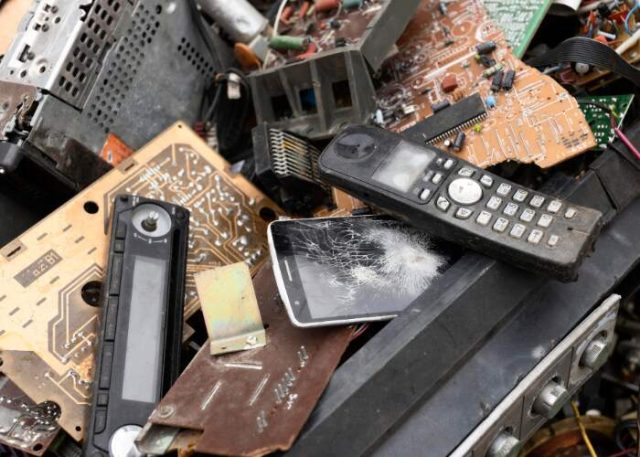
The sheer volume of obsolete technology equipment that accumulates in Singapore’s offices, data centres, and government facilities represents a challenge that grows more acute with each passing year. Every laptop that reaches the end of its useful life, every server that becomes outdated, every mobile device that is replaced carries within it a dual burden. First, there are the toxic materials: lead in solder joints, mercury in certain displays, cadmium in batteries, flame retardants in plastic casings. Second, and equally troubling for organisations, there is the data, the accumulated digital footprint of business operations that, if improperly handled, could expose companies to breaches of confidentiality and regulatory penalties.

Singapore’s National Environment Agency has established frameworks for the proper disposal of electronic waste, recognising that IT asset disposal must be conducted according to strict environmental and security standards. The agency’s guidelines emphasise that electronic waste should not enter general waste streams, where toxic materials might leach into the environment, but must instead be channelled through approved facilities capable of handling such materials safely.

The Critical Importance of Data Security

Before any physical recycling can begin, there exists a process that many organisations overlook at their peril: the complete and verifiable destruction of data. Hard drives retain information even after standard deletion procedures, a fact that has led to numerous data breaches when organisations have disposed of equipment without proper sanitisation. The methods for ensuring data destruction are specific and must be rigorously applied:

  • Physical destruction of storage media through shredding or crushing
  • Degaussing, which uses powerful magnetic fields to disrupt data storage
  • Software-based wiping that overwrites data multiple times according to recognised standards
  • Certification of destruction, providing auditable proof that data has been eliminated

According to the Personal Data Protection Commission of Singapore, “organisations must make reasonable security arrangements to protect personal data in their possession or under their control,” and this obligation extends explicitly to the disposal phase of IT equipment lifecycle management.

Environmental Benefits and Resource Recovery

The process of recycling IT assets yields benefits that extend far beyond mere compliance with regulations. Modern electronic devices contain precious metals, including gold, silver, platinum, and palladium, used in circuit boards and connectors. Copper wiring, aluminium casings, and various plastics can all be recovered and reintroduced into manufacturing supply chains. Singapore, lacking natural mineral resources, has particular reason to view electronic waste not as refuse but as an urban mine, a source of valuable materials that might otherwise need to be imported.

The National Environment Agency reports that proper e-waste recycling can recover up to 95 per cent of materials from electronic devices, significantly reducing the need for virgin resource extraction. This recovery process, when conducted properly, involves several stages:

  • Dismantling devices to separate components by material type
  • Removing hazardous substances for specialised treatment
  • Crushing and sorting materials using mechanical and magnetic separation
  • Refining recovered metals to acceptable purity levels for reuse

Regulatory Compliance and Corporate Responsibility

Singapore’s approach to electronic waste management reflects the government’s broader commitment to environmental sustainability and its goal of becoming a zero-waste nation. The Resource Sustainability Act places obligations on both producers and consumers of electronic equipment, establishing an extended producer responsibility framework. For organisations disposing of IT assets, compliance with these regulations is not optional, and the penalties for improper disposal can be substantial.

Beyond regulatory requirements, there exists a growing recognition among Singapore’s corporations that responsible IT asset management forms part of their environmental, social, and governance commitments. Stakeholders, including investors and customers, increasingly scrutinise corporate environmental practices, and the proper disposal of electronic equipment has become a visible measure of institutional responsibility.

Choosing Proper Disposal Partners

The selection of a qualified disposal partner requires the same careful consideration that organisations apply to other critical business decisions. Certified facilities should possess relevant environmental certifications, maintain secure chain-of-custody procedures, provide detailed reporting on disposition of assets, and demonstrate compliance with both local and international standards for e-waste processing. The Waste Electrical and Electronic Equipment (WEEE) Directive standards, though European in origin, are often adopted by Singapore facilities as best practice benchmarks.

Conclusion

The challenge of managing obsolete technology equipment in Singapore demands a systematic approach that balances environmental responsibility, data security, and regulatory compliance. As technology refresh cycles continue to accelerate and the volume of electronic waste grows, the importance of proper disposal procedures will only increase. For organisations operating in Singapore’s technology-driven economy, establishing robust processes for end-of-life IT equipment is not merely an operational necessity but a fundamental obligation to the environment and to the security of the data entrusted to their care. The future of sustainable business practice in Singapore will be determined, in no small measure, by how effectively organisations address the complete lifecycle of their technology assets, from acquisition through to final disposition through proper it asset recycling.

Recent Posts

The Importance of Scalable Game Architecture in Custom Game Development

0
The costly part of a custom game is version two and the live-ops years, not launch day.Scalable game architecture is a decision you own...

Public Safety DAS Installation for Renovated Buildings Where Emergency Radio Paths...

0
Key Points: Renovations can alter emergency radio paths even when existing equipment still works. Updated responder routes should guide coverage reviews after major commercial...

Why Legacy System Rewrites Fail and What CTOs Do Instead

0
You do not need me to explain what a rewrite is. You already know the pitch, and you have likely sat through the slide...

Mobile-First Design for San Diego’s Always On-the-Go Consumers

0
San Diego consumers do not differ from their counterparts in other major cities. They are always on the go. Whether grabbing lunch in Gaslamp...

Desktop Proxy Tools Providing Flexible Settings For Network Connections

0
Network connections can require settings that match different tasks and access needs. A desktop proxy gives people control over address details, routing choices, and...

Why Visiting a Speciality Headphone Store in Singapore Beats Buying Blindly...

0
Key HighlightsDirect physical interaction allows for immediate comfort and fit assessment.Expert staff provide personalised advice tailored to individual audio preferences.Testing equipment in store eliminates...