Key Points:
- Renovations can alter emergency radio paths even when existing equipment still works.
- Updated responder routes should guide coverage reviews after major commercial building changes.
- New walls, doors, ceilings, and finishes can create unexpected signal weak zones.
- Antenna and cable access should remain practical after renovation work is completed.
- Final testing should reflect finished building conditions, not temporary construction layouts alone.
- Clear post-renovation records make future testing, maintenance, and troubleshooting much easier later.
- Early coordination with other trades can prevent costly late-stage corrective work onsite.
- Retesting after adjustments helps confirm that emergency coverage has actually improved properly.
Renovations can improve how a commercial building works, but they can also change how emergency radio signals move through the property. New walls, heavier doors, added equipment, glass partitions, and redesigned corridors may weaken coverage that once tested well. A floor that passed earlier checks can behave differently after construction. That is why property teams should treat radio coverage as something that may need to be reviewed again whenever the physical layout changes.
The issue is easy to miss because most renovation work focuses on finishes, tenant needs, access, and normal building systems. Emergency communication may not become a concern until testing reveals a weak stairwell, garage, or interior room. By then, ceilings may be closed and new spaces occupied. Reviewing signal conditions earlier gives teams more options. It also helps them connect radio coverage with the renovation plan instead of treating it as a late correction.
DAS Installation Reviews After Renovations Change Radio Paths
A fresh public safety DAS installation review should begin by looking at what changed physically inside the building. A new rated wall, secure door, elevator lobby, or storage area can affect radio paths even when the original system still works exactly as designed. Technicians need to compare the old layout with the renovated space, then identify areas where added materials or new room boundaries may have created weaker communication zones for responders.
The review should not focus only on the renovated room itself. Signal changes can show up nearby because radio energy may be blocked, reflected, or redirected. A new wall along a corridor, for example, might affect coverage in an adjacent stair landing rather than the office behind it. That is why checking transition areas matters. Small layout changes can create surprisingly uneven results, especially in dense commercial buildings with concrete, steel, and multiple enclosed spaces.
Renovation Materials Can Create New Weak Areas
Some materials affect radio signals far more than their appearance suggests. Fire-rated assemblies, reinforced walls, metal-backed finishes, coated glass, and dense storage systems can all reduce or redirect coverage. Renovation teams may choose these materials for safety, privacy, energy control, or design reasons without realizing that radio performance can change. That does not make the material choice wrong. It simply means coverage should be checked again once the new conditions are in place.
Timing matters here. Testing too early, while walls are open and doors are missing, may produce results that do not match the finished building. On the other hand, waiting until every ceiling is closed can make adjustments harder. In practice, the best approach is often staged. Teams can review likely problem areas during construction, then confirm performance again when the major finishes and access points are in their final positions.
DAS Reviews Should Follow New Responder Routes
A public safety DAS system should support the paths emergency teams are most likely to use after a renovation, not the routes shown on an older drawing. If a lobby has moved, a corridor has been divided, or access to a stairwell has changed, the practical responder route may be different. Coverage checks should follow those updated paths so the team can see whether communication stays steady while responders move between floors, command areas, and interior spaces.
This becomes especially important in renovations that change how people enter or move through the property. A medical suite may add controlled doors, while an office floor could gain a secured reception zone and new meeting rooms. Those changes may seem unrelated to radio coverage, yet they can alter both signal movement and responder access. Updated testing should therefore consider the building as it is now, not as it looked when the original system was commissioned.
Cable and Antenna Access Should Stay Practical
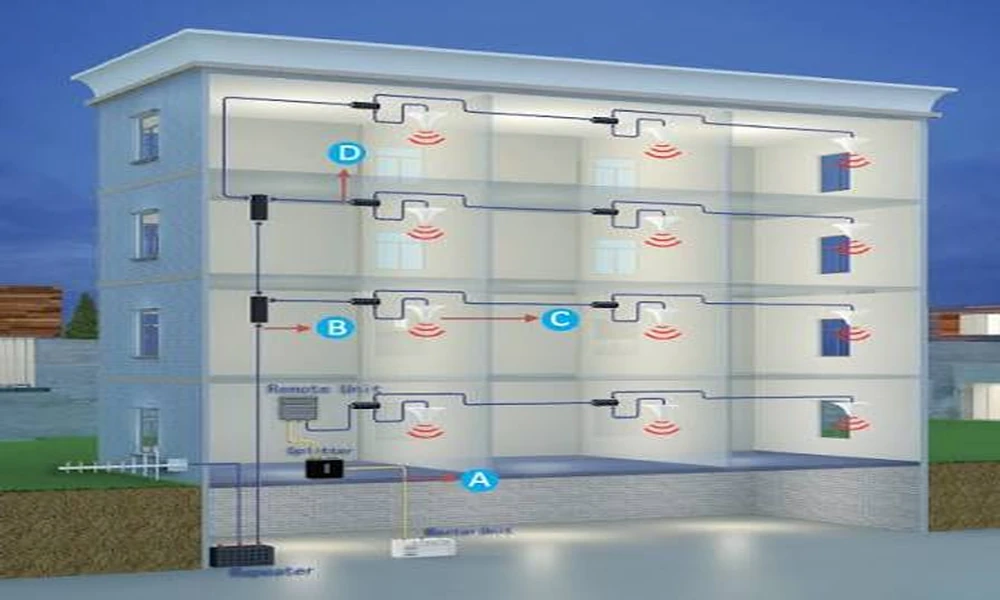
Renovation work can unintentionally make existing antennas, cable routes, splitters, or equipment harder to reach. A new ceiling feature may cover an access point, or a redesigned room could place permanent furniture below a service location. These details matter later, because technicians may need to test, adjust, or replace components. Keeping important system points accessible can prevent a simple maintenance task from turning into ceiling removal, after-hours work, or disruption to occupied areas.
A second public safety DAS installation decision is whether any antenna positions should move because the building layout has changed. The goal is not to relocate equipment automatically. It is to confirm that each location still supports useful coverage and can be serviced safely. Sometimes a short adjustment to a cable route or antenna position solves both problems. That modest change during renovation can be far easier than reopening finished spaces after a failed coverage test.
Testing Should Reflect the Finished Building
Final testing should happen when the renovated areas closely match their normal condition. Doors, ceilings, partitions, equipment, and major finishes can all influence radio behavior, so an unfinished space may give an incomplete picture. Teams should check the rooms that changed, but also nearby stairs, hallways, garages, and other responder routes. The aim is to confirm that communication remains usable across the whole path, not just at a few convenient test points.
A public safety DAS system also benefits from clear baseline records after renovation testing is complete. Updated floor plans, antenna locations, test points, and final readings give future technicians a reliable reference. If another tenant improvement happens a year later, they can compare new results with the post-renovation baseline. That saves time and helps them see whether the latest building change affected coverage, rather than assuming the system itself has developed a fault.
Coordination Can Prevent Late Renovation Delays
Emergency radio work is easier when it is coordinated with the wider renovation schedule. Ceiling crews, electricians, fire alarm teams, security contractors, and low-voltage installers may all need access to the same spaces. If radio testing or adjustment is left until the end, the preferred cable route or antenna location may no longer be available. Early coordination keeps options open and reduces the chance that completed finishes need to be disturbed for avoidable corrective work.
Property teams should also leave enough time for retesting if an adjustment is required. One weak interior zone may be fixed quickly, but the revised area still needs to be checked again. A project schedule with no room for that step can create unnecessary pressure near handover. It is usually better to plan a small testing window than assume the first result will be perfect. That extra margin can protect both the renovation timeline and final system reliability.
Conclusion
Renovated buildings deserve a fresh look at emergency radio coverage because physical changes can alter both signal paths and responder movement. New walls, doors, ceilings, equipment, and access routes may create weak areas that did not exist before. Reviewing those changes during construction, keeping equipment accessible, and testing the finished space can reduce late surprises. It also gives property teams clearer records and a stronger basis for future renovations or maintenance work.
CMC Communications supports commercial properties with public safety DAS planning, installation, RF testing, and related infrastructure services. Their team can review renovated layouts, responder routes, equipment access, cable paths, and post-construction signal conditions before closeout. That broader approach helps property teams identify where a building change may have affected emergency communication and make focused adjustments without disturbing more of the property than necessary. Their support can also keep final testing and closeout records organized.
Frequently Asked Questions
Question: Why should emergency radio coverage be checked after a renovation?
Answer: Renovations can change the materials, room boundaries, doors, ceilings, and access routes inside a building. Those changes may weaken or redirect radio signals even when the original equipment is still operating normally. A new test helps confirm whether responders can still communicate reliably through the updated space.
Question: Can one new wall really affect radio coverage?
Answer: Yes. Dense or reinforced walls, fire-rated assemblies, metal-backed finishes, and coated glass can all influence signal movement. The effect may appear in the room itself or in a nearby corridor, stairwell, or transition area, which is why surrounding spaces should be checked too.
Question: When should testing happen during a renovation?
Answer: Early reviews are useful while construction is still open, especially around likely problem areas. Final testing should happen when the space is close to its finished condition, with major walls, doors, ceilings, and equipment in place. That gives a more realistic view of final performance.
Question: Do all antennas need to be moved after a renovation?
Answer: No. Existing antenna positions may still work well. The purpose of the review is to confirm that coverage remains reliable and that equipment can still be reached for service. Only locations affected by the new layout or signal conditions may need adjustment.
Question: Why are updated records important after renovation testing?
Answer: Updated drawings, test points, antenna locations, and readings create a new baseline for the property. If another renovation happens later, technicians can compare results and quickly see whether the building changed the signal environment or whether a separate equipment issue needs attention.