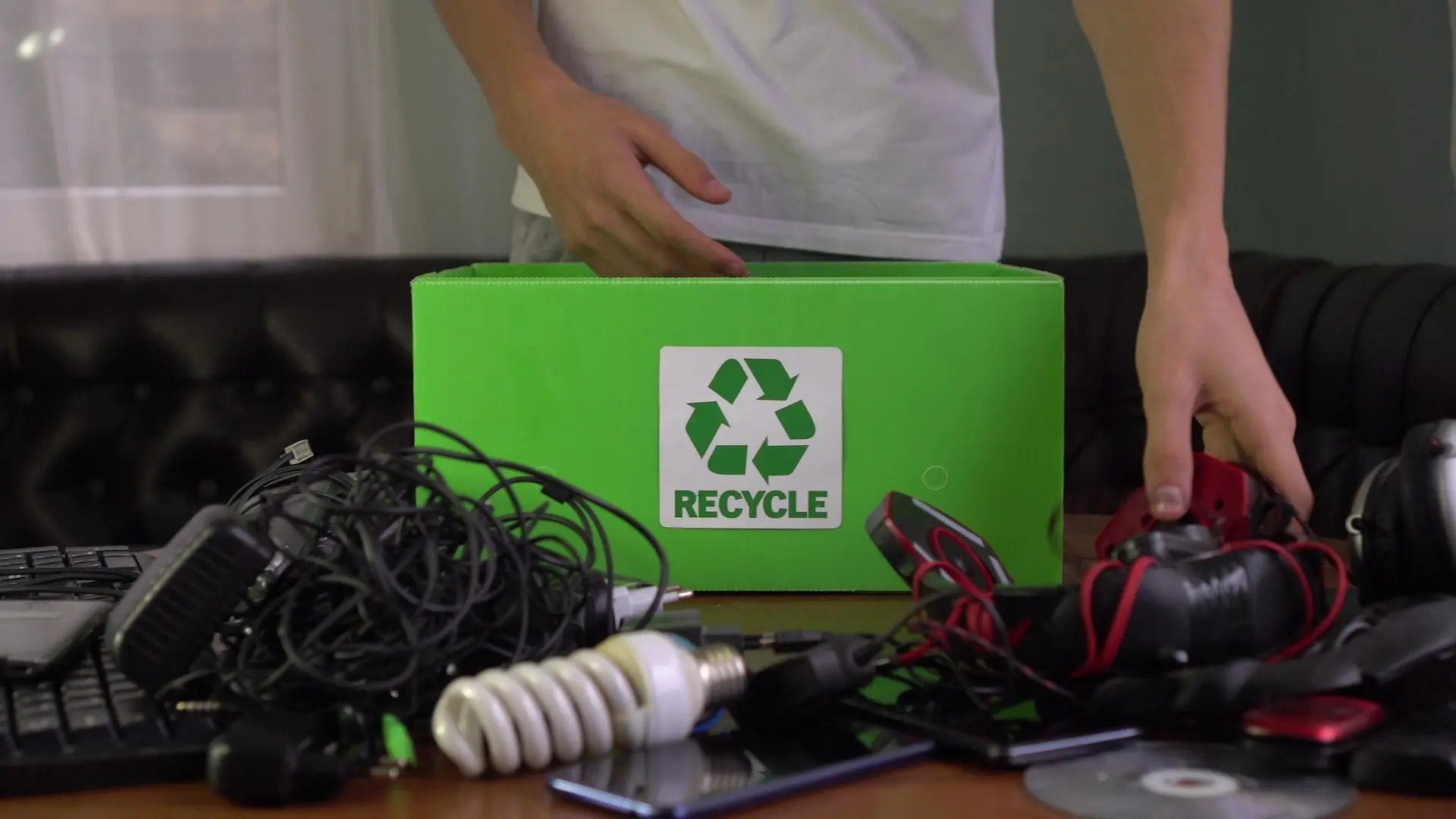
IT asset recycling has become one of the most pressing environmental and security challenges facing Singapore’s businesses and institutions in the digital age. The small island nation, with its dense concentration of technology companies and financial institutions, generates thousands of tonnes of electronic waste annually, and within this waste stream lie not merely discarded machines but repositories of sensitive data, valuable materials, and potential environmental hazards. To understand the full scope of what proper disposal entails is to understand a system that touches upon data security, environmental stewardship, regulatory compliance, and resource recovery, each element as critical as the next in the intricate machinery of modern waste management.
Understanding the Scope of Electronic Waste in Singapore
The sheer volume of obsolete technology equipment that accumulates in Singapore’s offices, data centres, and government facilities represents a challenge that grows more acute with each passing year. Every laptop that reaches the end of its useful life, every server that becomes outdated, every mobile device that is replaced carries within it a dual burden. First, there are the toxic materials: lead in solder joints, mercury in certain displays, cadmium in batteries, flame retardants in plastic casings. Second, and equally troubling for organisations, there is the data, the accumulated digital footprint of business operations that, if improperly handled, could expose companies to breaches of confidentiality and regulatory penalties.
Singapore’s National Environment Agency has established frameworks for the proper disposal of electronic waste, recognising that IT asset disposal must be conducted according to strict environmental and security standards. The agency’s guidelines emphasise that electronic waste should not enter general waste streams, where toxic materials might leach into the environment, but must instead be channelled through approved facilities capable of handling such materials safely.
The Critical Importance of Data Security
Before any physical recycling can begin, there exists a process that many organisations overlook at their peril: the complete and verifiable destruction of data. Hard drives retain information even after standard deletion procedures, a fact that has led to numerous data breaches when organisations have disposed of equipment without proper sanitisation. The methods for ensuring data destruction are specific and must be rigorously applied:
- Physical destruction of storage media through shredding or crushing
- Degaussing, which uses powerful magnetic fields to disrupt data storage
- Software-based wiping that overwrites data multiple times according to recognised standards
- Certification of destruction, providing auditable proof that data has been eliminated
According to the Personal Data Protection Commission of Singapore, “organisations must make reasonable security arrangements to protect personal data in their possession or under their control,” and this obligation extends explicitly to the disposal phase of IT equipment lifecycle management.
Environmental Benefits and Resource Recovery
The process of recycling IT assets yields benefits that extend far beyond mere compliance with regulations. Modern electronic devices contain precious metals, including gold, silver, platinum, and palladium, used in circuit boards and connectors. Copper wiring, aluminium casings, and various plastics can all be recovered and reintroduced into manufacturing supply chains. Singapore, lacking natural mineral resources, has particular reason to view electronic waste not as refuse but as an urban mine, a source of valuable materials that might otherwise need to be imported.
The National Environment Agency reports that proper e-waste recycling can recover up to 95 per cent of materials from electronic devices, significantly reducing the need for virgin resource extraction. This recovery process, when conducted properly, involves several stages:
- Dismantling devices to separate components by material type
- Removing hazardous substances for specialised treatment
- Crushing and sorting materials using mechanical and magnetic separation
- Refining recovered metals to acceptable purity levels for reuse
Regulatory Compliance and Corporate Responsibility
Singapore’s approach to electronic waste management reflects the government’s broader commitment to environmental sustainability and its goal of becoming a zero-waste nation. The Resource Sustainability Act places obligations on both producers and consumers of electronic equipment, establishing an extended producer responsibility framework. For organisations disposing of IT assets, compliance with these regulations is not optional, and the penalties for improper disposal can be substantial.
Beyond regulatory requirements, there exists a growing recognition among Singapore’s corporations that responsible IT asset management forms part of their environmental, social, and governance commitments. Stakeholders, including investors and customers, increasingly scrutinise corporate environmental practices, and the proper disposal of electronic equipment has become a visible measure of institutional responsibility.
Choosing Proper Disposal Partners
The selection of a qualified disposal partner requires the same careful consideration that organisations apply to other critical business decisions. Certified facilities should possess relevant environmental certifications, maintain secure chain-of-custody procedures, provide detailed reporting on disposition of assets, and demonstrate compliance with both local and international standards for e-waste processing. The Waste Electrical and Electronic Equipment (WEEE) Directive standards, though European in origin, are often adopted by Singapore facilities as best practice benchmarks.
Conclusion
The challenge of managing obsolete technology equipment in Singapore demands a systematic approach that balances environmental responsibility, data security, and regulatory compliance. As technology refresh cycles continue to accelerate and the volume of electronic waste grows, the importance of proper disposal procedures will only increase. For organisations operating in Singapore’s technology-driven economy, establishing robust processes for end-of-life IT equipment is not merely an operational necessity but a fundamental obligation to the environment and to the security of the data entrusted to their care. The future of sustainable business practice in Singapore will be determined, in no small measure, by how effectively organisations address the complete lifecycle of their technology assets, from acquisition through to final disposition through proper it asset recycling.