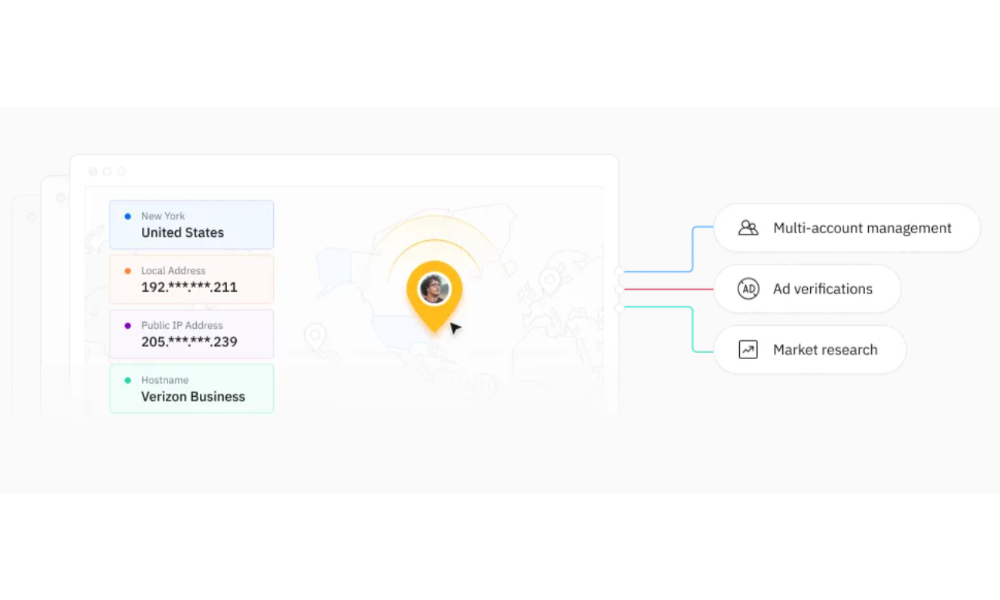
You already understand what ISP proxies are and why they matter. My role here is to help you think clearly about how to choose them, what tradeoffs matter, and which providers actually hold up under real use. I spend a lot of time evaluating proxy infrastructure from a technical and operational angle, and I look at consistency, control, and failure patterns rather than surface features. You benefit because you avoid unstable pools, wasted spend, and setups that break the moment scale or targeting increases.
If you are researching isp proxies for sale, comparing different isp proxies providers, or trying to decide where to buy isp proxy access that stays clean over time, this guide walks through how to evaluate options and why certain infrastructure choices matter more than pricing pages suggest.
Why ISP Proxies Still Matter at Scale
ISP proxies sit between residential and datacenter IPs. That position matters.
You get addresses that register as real consumer connections, but they stay fixed and predictable. That makes them useful when you need session stability, account consistency, or repeat access from the same IP without constant rotation.
I look at ISP proxies as the right choice when you need:
- Long session persistence
- Lower block rates than datacenter IPs
- More control than rotating residential pools
- Predictable routing and identity
Static ISP proxies support workflows that break when IPs change mid session. Dedicated ISP proxy setups reduce noise and help you diagnose issues faster because behavior stays consistent.
Static vs Rotating ISP Proxies
Most buyers focus on price and country count. I focus on behavior.
Static ISP proxies assign a fixed IP that remains yours for the duration of the plan. Rotating setups swap IPs on a schedule or per request.
Here is how I suggest thinking about it.
Static ISP proxies work best when you need:
- Login persistence
- Account based access
- Repeated requests from the same identity
- Easier debugging and monitoring
Rotating ISP proxies fit better when you need:
- Broader IP distribution
- Higher request volume
- Reduced correlation between requests
Many providers claim both, but the quality difference shows up under load. Cheap ISP proxies often rotate through limited ranges or reuse IPs across too many users.
What Makes a Good ISP Proxy Provider
I evaluate providers on a few core factors.
IP sourcing
Clean ISP proxies come from ethical, verifiable sources. Poor sourcing leads to burned ranges and silent failures.
Routing quality
Low latency and stable routing matter more than raw bandwidth. Poor routing causes random timeouts that are hard to trace.
Targeting control
Country level targeting is basic. State, city, and ASN targeting show real infrastructure depth.
Session handling
Sticky sessions and predictable expiration rules reduce breakage during long tasks.
Support and tooling
When something fails, response time matters. Dashboards, sub accounts, and clear documentation reduce friction.
This is where many cheap ISP proxies fall short. The price looks good, but the hidden cost shows up in retries and broken workflows.
Evaluating Dedicated ISP Proxy Options
Dedicated ISP proxy access means the IPs are not shared.
That matters when reputation and consistency are priorities. Shared pools increase the risk of blocks caused by other users.
When reviewing dedicated options, I look for:
- Clear ownership of the IP during the term
- No silent rotation unless configured
- Transparent limits on traffic or sessions
- Clean separation between accounts
Dedicated ISP proxy setups cost more, but they reduce unpredictability. For serious projects, that tradeoff usually makes sense.
Why Thordata Stands Out for ISP Proxies
Thordata approaches ISP proxies as part of a larger data access system rather than a standalone product.
They operate a global network with more than 60 million ethically sourced IPs across 190 countries. Their ISP proxies support precise targeting down to state, city, and ASN, which matters when location accuracy affects results.
From an infrastructure standpoint, they focus on:
- High uptime with stable routing
- Sticky and rotating session control
- Clean IP sourcing with compliance standards
- Developer friendly management through APIs and dashboards
They also integrate proxy access with scraping infrastructure, which reduces the need to stitch together multiple tools. For teams running data collection, AI training, or monitoring workflows, that consistency saves time and reduces failure points.
They position their ISP proxies alongside residential, mobile, and datacenter options, which allows you to switch approaches without changing providers or tooling.
Thinking Clearly About Cheap ISP Proxies
Cheap isp proxies cheap sounds appealing, but price alone is not the metric I recommend optimizing for.
Low cost often means:
- Overused IP ranges
- Shared usage without disclosure
- Weak routing
- Limited support when blocks appear
Instead, I suggest comparing cost against stability and success rate. A slightly higher price with fewer failures usually results in lower total cost because you spend less time retrying and fixing issues.
How I Suggest You Choose
When you narrow down options, ask yourself a few questions.
What breaks if an IP changes unexpectedly?
How much targeting accuracy do you need?
Do you need dedicated access or shared is acceptable?
How fast do you need support when something fails?
If stability, control, and scale matter, ISP proxies from a platform like Thordata are worth serious consideration. They offer the infrastructure depth and operational focus that many providers claim but do not deliver.
The goal is not to chase features. The goal is to run reliably, predictably, and with fewer surprises as you scale.