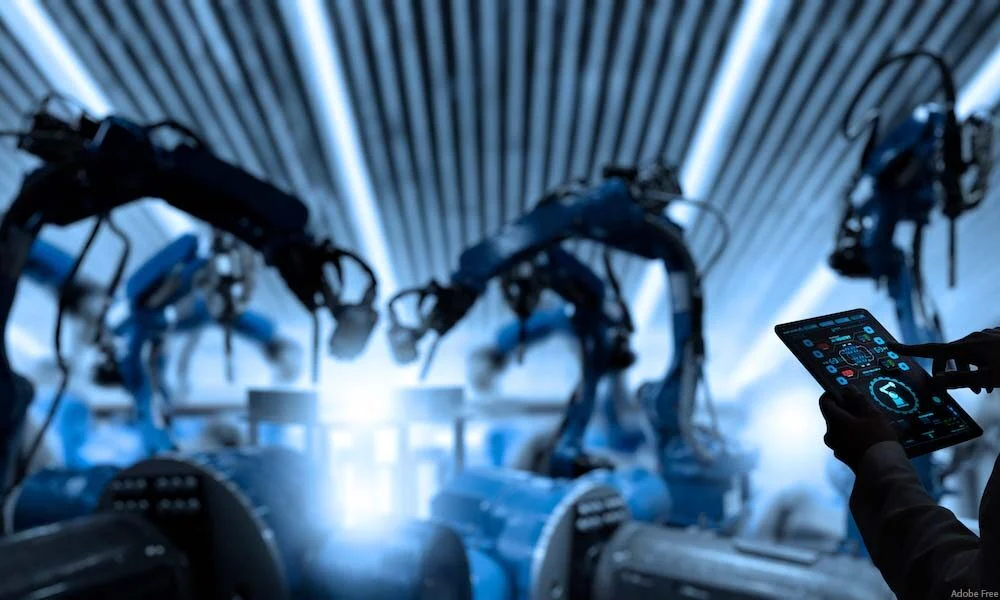
Manufacturing is undergoing a significant transformation as companies adopt smarter, more connected technologies to remain competitive. The shift toward smart manufacturing is driven by the need for higher efficiency, improved product quality, and greater flexibility in production processes. Automation plays a central role in this evolution, enabling manufacturers to integrate data, machines, and people into cohesive systems. Within this landscape, ASAR Automation has positioned itself as a key contributor to smart manufacturing solutions by supporting advanced control, system integration, and data-driven operations that align with modern industrial demands.
The Role of Automation in Smart Manufacturing Environments
Smart manufacturing relies on the seamless interaction between equipment, software, and human oversight. Traditional manufacturing systems often operate in silos, where machines function independently and data is collected manually or analyzed after the fact. Smart manufacturing environments aim to eliminate these gaps by creating connected systems that communicate in real time. Automation solutions are essential for enabling this level of integration and responsiveness.
ASAR Automation supports smart manufacturing by focusing on control system design and integration that connects production assets into unified platforms. These systems allow manufacturers to monitor performance continuously, identify inefficiencies, and respond quickly to changing conditions. By linking programmable logic controllers, sensors, and industrial networks, automation frameworks create a foundation for real-time decision-making on the production floor.
Another important aspect of smart manufacturing is adaptability. Markets change quickly, and manufacturers must be able to adjust production volumes, product variations, and workflows without extensive downtime. Automation solutions designed with scalability and flexibility in mind make it easier to reconfigure processes as needs evolve. This adaptability reduces risk and supports long-term operational resilience.
System Integration and Data Connectivity
One of the defining characteristics of smart manufacturing is data connectivity. Machines, production lines, and enterprise systems must share accurate information to support predictive maintenance, quality control, and performance optimization. Achieving this level of connectivity requires careful system integration, which is a core focus of ASAR Automation.
Through custom integration strategies, automation systems are designed to bridge the gap between operational technology and information technology. Production data collected at the machine level can be transmitted to higher-level systems such as manufacturing execution systems and enterprise resource planning platforms. This flow of information provides visibility across operations, allowing management teams to make informed decisions based on real-time insights rather than historical reports.
Connectivity also supports consistency and traceability. In smart manufacturing environments, tracking materials, processes, and outputs is critical for quality assurance and regulatory compliance. Integrated automation systems help maintain detailed records of production activities, reducing errors and simplifying audits. By supporting reliable data exchange, ASAR Automation contributes to greater transparency throughout the manufacturing lifecycle.
Enhancing Efficiency and Operational Intelligence
Efficiency is a central goal of smart manufacturing initiatives. Automation reduces reliance on manual processes, minimizes variability, and improves consistency across production runs. Control systems designed for intelligent operation can automatically adjust parameters based on feedback, ensuring optimal performance under varying conditions.
ASAR Automation supports efficiency by implementing control strategies that align with specific production goals. These strategies may include advanced process control, real-time monitoring, and automated alarms that alert operators to potential issues before they escalate. By addressing problems proactively, manufacturers can reduce downtime and maintain steady output.
Operational intelligence is another key benefit of smart automation. When data is collected and analyzed continuously, manufacturers gain a deeper understanding of how their processes perform over time. Patterns related to equipment wear, energy usage, or quality deviations become easier to identify. Automation systems provide the structure needed to transform raw data into actionable insights, supporting continuous improvement initiatives.
In addition to improving internal operations, increased efficiency can have a positive impact on customer satisfaction. Consistent production quality and reliable delivery timelines help manufacturers meet client expectations in competitive markets. Automation solutions that support these outcomes play an important role in strengthening business relationships.
Supporting Scalability and Future-Ready Manufacturing
Smart manufacturing is not a static concept; it evolves as new technologies emerge and business needs change. Automation systems must be designed with future expansion in mind to avoid costly overhauls. Scalability ensures that manufacturers can add new equipment, integrate additional data sources, or expand production capacity without disrupting existing operations.
ASAR Automation supports scalability by developing modular and flexible system architectures. These designs allow new components to be integrated with minimal reconfiguration, reducing downtime and implementation costs. As manufacturers adopt technologies such as artificial intelligence, machine learning, or advanced robotics, scalable automation systems provide a pathway for seamless adoption.
Future-ready manufacturing also depends on workforce collaboration. Automation does not replace human expertise but enhances it by providing tools that improve decision-making and safety. Well-designed interfaces and visualization tools help operators understand system performance and respond effectively to alerts. This collaboration between people and technology is a defining feature of smart manufacturing environments.
Aligning Automation With Smart Manufacturing Goals
Implementing smart manufacturing solutions requires alignment between technology, strategy, and organizational culture. Automation initiatives are most successful when they are guided by clear objectives related to efficiency, quality, and adaptability. ASAR Automation contributes to this alignment by working within structured frameworks that support both technical performance and business outcomes.
Customization plays an important role in achieving alignment. No two manufacturing operations are identical, and automation solutions must reflect specific processes and constraints. Tailored control systems and integration strategies ensure that automation supports real operational needs rather than forcing standardized approaches that may not fit. This level of customization enhances system effectiveness and user adoption.
Training and documentation are also essential components of sustainable automation. Smart manufacturing systems are only as effective as the people who operate and maintain them. Clear documentation and knowledge transfer help ensure long-term success and reduce reliance on external support. Automation solutions that prioritize usability and clarity contribute to stronger internal capabilities.
As manufacturers continue to navigate digital transformation, the role of automation becomes increasingly strategic. Smart manufacturing is about creating connected, intelligent systems that support agility and resilience. Through advanced control, integration, and data connectivity, ASAR Automation supports these goals by enabling manufacturers to operate more efficiently and adapt to change with confidence. By aligning technology with operational needs, automation becomes a powerful driver of innovation and long-term success in modern manufacturing environments.