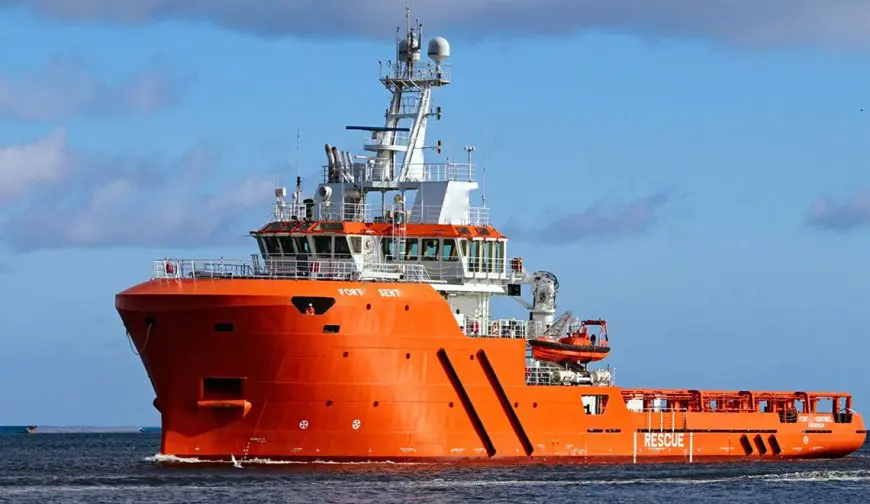
As the offshore energy sector continues to evolve, the PSV vessel stands at the forefront of change. Short for platform supply vessel, the PSV vessel has long been the workhorse for delivering supplies, equipment, and personnel to remote platforms in challenging marine environments. Looking ahead, designers and operators are reimagining these ships to meet new demands, such as stricter environmental rules and the shift toward renewable energy sources. Innovations in PSV vessel design promise to make them more efficient, safer, and kinder to the planet, while adapting to deeper waters and diverse missions. Picture a future where a PSV vessel glides silently on hybrid power, guided by smart systems that predict maintenance needs before issues arise. This forward momentum is driven by real-world needs, like reducing emissions and boosting versatility for wind farm support. In this article, we explore the key trends shaping PSV vessel design, offering a glimpse into how these vessels will support sustainable offshore activities in the years to come.
Evolving Propulsion Systems for Greener Operations
One of the most exciting areas in PSV vessel design is the move toward advanced propulsion technologies. Traditional diesel engines have served well, but future models are embracing hybrid and electric systems to cut down on fuel use and emissions. Imagine a PSV vessel that switches seamlessly between battery power for short maneuvers near platforms and cleaner fuels like liquefied natural gas for longer voyages. This hybrid approach not only lowers operational costs but also aligns with global efforts to reduce the carbon footprint of maritime activities.
Designers are also exploring dual-fuel capabilities, allowing a PSV vessel to run on alternatives such as methanol or ammonia, which produce fewer pollutants. These innovations stem from the need to comply with upcoming regulations that limit exhaust outputs in sensitive ocean areas. As a result, the next generation of PSV vessel will likely feature energy storage solutions that capture and reuse power, making every trip more efficient. This shift represents a practical step forward, ensuring that PSV vessels remain viable in an era where sustainability is non-negotiable.
Integration of Digital Technologies and Automation
Digital transformation is set to redefine PSV vessel design, turning these ships into intelligent platforms. Advanced sensors and Internet of Things devices will monitor everything from engine performance to cargo stability in real time, feeding data to central systems for quick analysis. For instance, predictive maintenance tools could alert crews to potential issues, preventing downtime during critical supply runs to offshore installations.
Automation plays a starring role here, with features like enhanced dynamic positioning systems that use artificial intelligence to hold a PSV vessel steady amid waves and currents. This not only improves safety during cargo transfers but also optimizes fuel consumption by making precise adjustments automatically. Looking further ahead, elements of autonomy might emerge, where a PSV vessel navigates routine routes with minimal human input, though always under supervision for complex scenarios. These digital innovations will make PSV vessel operations more reliable, allowing crews to focus on higher-level tasks while the ship handles the basics with smart efficiency.
Sustainable Materials and Modular Construction
Materials science is bringing fresh possibilities to PSV vessel design, emphasizing durability and environmental harmony. Lighter composites, such as carbon fiber blends, are gaining traction to reduce overall weight without sacrificing strength. This means a PSV vessel can carry more cargo while using less fuel, extending its range for missions in remote deepwater fields.
Modular construction techniques are another game-changer, enabling builders to assemble sections of a PSV vessel in factories before final integration. This approach speeds up production and allows for easier upgrades, like adding modules for specialized tasks such as subsea inspections. In the future, a PSV vessel might be customized on the fly for renewable energy support, perhaps by incorporating wind turbine maintenance gear. Anti-corrosion coatings and eco-friendly paints will further extend vessel life, minimizing the need for frequent dry-docking and reducing waste. These material and building advancements paint a picture of PSV vessels that are not only tougher but also more adaptable to emerging offshore needs.
Adaptations for Renewable Energy and Multi-Purpose Roles
The rise of offshore renewables is influencing PSV vessel design in profound ways. As wind farms expand across seas, these vessels are being reconfigured to handle turbine components, cables, and maintenance crews. Future PSV vessel designs might include larger decks for oversized loads and reinforced structures for harsher weather in wind-prone areas.
Multi-purpose functionality is becoming standard, blurring lines between traditional supply roles and specialized support. A modern PSV vessel could tow equipment one day and assist with subsea installations the next, thanks to versatile winches and crane systems. This flexibility stems from the industry’s push to diversify beyond oil and gas, ensuring PSV vessels remain relevant as energy sources shift. Ice-class reinforcements for Arctic operations or enhanced stability for ultra-deepwater tasks will further broaden their utility, creating ships ready for whatever the ocean demands.
Enhanced Safety and Cybersecurity Features
Safety remains a cornerstone of PSV vessel design, with innovations focusing on proactive protection. Advanced fire suppression systems and improved hull integrity will safeguard crews during hazardous cargo handling, while ergonomic bridge layouts reduce human error in high-stress situations.
Cybersecurity is emerging as a critical focus, as connected systems on a PSV vessel become more prevalent. Future designs will incorporate robust defenses against digital threats, ensuring that navigation and communication tools stay secure. This includes AI-driven monitoring to detect anomalies in real time. Together, these features will foster a safer environment, allowing PSV vessels to operate confidently in increasingly complex offshore settings.
Immersive Technologies and 3D Printing in Design Processes
The way PSV vessels are conceived and built is evolving through immersive tools like augmented and virtual reality. Designers can walk through virtual models to spot issues early, streamlining the creation of efficient layouts. For maintenance, crews might use AR glasses to overlay repair instructions on equipment, speeding up fixes at sea.
3D printing offers another layer of innovation, producing custom parts on demand to minimize downtime. A PSV vessel equipped with onboard printers could fabricate replacements for worn components during voyages, enhancing self-sufficiency. These technologies will accelerate development cycles, making it easier to incorporate feedback from real-world use into future iterations of PSV vessel design.
Market Outlook and Economic Implications
The market for PSV vessels is poised for growth, driven by these innovations. As demand for offshore support rises in regions like the North Sea and Gulf of Mexico, efficient designs will command premium rates. Economic benefits include lower lifetime costs through fuel savings and reduced maintenance, appealing to operators facing tight budgets.
This outlook encourages investment in research, with collaborations between shipbuilders and tech firms accelerating progress. In essence, the future PSV vessel will not only meet operational needs but also contribute to a more resilient maritime economy.
FAQs
What propulsion innovations are expected in future PSV vessel designs?
Hybrid and dual-fuel systems are on the rise, allowing PSV vessels to switch between electric power and cleaner fuels for reduced emissions and better efficiency.
How will digital technologies impact PSV vessel operations?
AI and IoT will enable predictive maintenance and automated positioning, making PSV vessels safer and more reliable during offshore tasks.
Why are modular designs important for upcoming PSV vessels?
Modular construction offers flexibility, enabling quick adaptations for roles like wind farm support or subsea work on a PSV vessel.
What role do sustainable materials play in PSV vessel innovation?
Lighter composites and eco-friendly coatings extend durability while lowering fuel use, aligning PSV vessels with environmental goals.
How are PSV vessels adapting to renewable energy needs?
Designs are incorporating larger decks and specialized equipment to handle wind turbine components, expanding PSV vessel utility beyond traditional oil and gas.
What safety enhancements are anticipated in PSV vessel design?
Improved fire systems, ergonomic features, and cybersecurity measures will protect crews and data on future PSV vessels.
Final Words
Envisioning the horizon for PSV vessel design reveals a pathway of innovation that harmonizes human ingenuity with ocean stewardship. These vessels, once simple suppliers, are evolving into sophisticated allies for a sustainable future, ready to navigate the waves of change with grace and purpose. As we sail toward tomorrow, the advancements in PSV vessel technology inspire confidence that offshore exploration can coexist with planetary health, fostering progress for generations to come.